Middle East Crisis Disrupts Travel to Dubai & Turkey
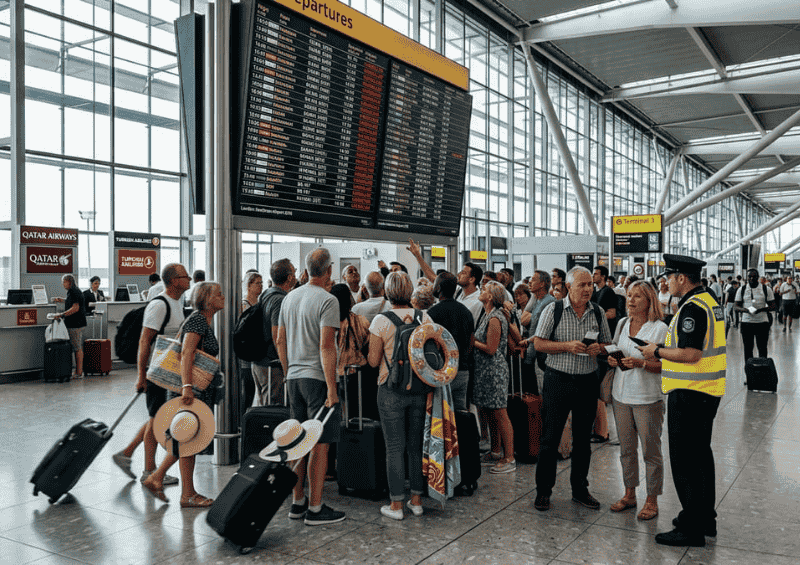
Rising Middle East tensions in 2026 are disrupting travel to Dubai, Turkey, and the Maldives. Flight cancellations, airspace restrictions, and safety advisories are forcing travel agents and airlines to reassess routes and client itineraries.

Rising Geopolitical Tensions Reshape Global Travel Plans

Growing instability in the Middle East is beginning to significantly impact international travel routes and passenger confidence.

Following military strikes on Iran by the United States and Israel in late February 2026, several countries in the region have introduced airspace restrictions and heightened security measures. These developments have already caused flight diversions, cancellations, and extended travel times, affecting passengers travelling through major aviation hubs.

For travel agents and airline partners, destinations such as Dubai, Turkey, and the Maldives remain open to visitors. However, the broader regional situation has introduced a level of uncertainty that requires closer monitoring of flight schedules, routing changes, and government advisories.

Travel Advisory Updates Trigger Concern Among Travelers

Government agencies across several countries have issued updated travel advisories, warning travelers about potential disruptions in the Middle East region.

Authorities have cautioned that ongoing geopolitical tensions could lead to:

  • Temporary airspace closures

  • Sudden flight suspensions or diversions

  • Increased airport security procedures

  • Potential regional instability affecting travel routes

For travel professionals, this means greater emphasis on itinerary flexibility, updated insurance coverage, and proactive communication with clients.

Dubai Aviation Hub Faces Airspace Restrictions

Dubai remains one of the most important aviation hubs connecting Europe, Asia, and Africa. However, recent developments near the Strait of Hormuz have created operational challenges for airlines operating in the Gulf.

Several airlines have temporarily modified flight paths to avoid high-risk zones, resulting in:

  • Longer flight durations

  • Operational delays

  • Higher operational fuel costs

  • Temporary suspension of some routes

During the initial phase of the crisis, thousands of passengers experienced delays or diversions, particularly those transiting through Dubai International Airport.

Airlines are now gradually restoring operations, but many flights are still operating on revised routes through Oman or Saudi Arabia, increasing overall travel time.

Operational Tip for Travel Agents:

Maintain regular communication with airline partners and monitor schedule updates to quickly adjust client itineraries.

Turkey Remains Operational but Security Concerns Increase

Turkey continues to welcome tourists and business travelers, but its geographic proximity to several regional conflicts has raised caution among global travel advisories.

Most major tourism destinations such as:

  • Istanbul

  • Antalya

  • Cappadocia

remain operational and safe for international travelers.

However, authorities continue to warn travelers about border regions near Syria, where tensions could escalate unexpectedly.

The aviation sector is also seeing indirect effects. Turkish Airlines, one of the world's largest transit carriers, has experienced route adjustments and scheduling changes due to wider Middle East airspace challenges.

For B2B travel planners managing international itineraries, transit connections through Istanbul may experience occasional timing changes.

Maldives Tourism Feels Ripple Effects of Airspace Disruptions

Although geographically distant from the conflict zone, the Maldives has not remained entirely unaffected.

The island nation relies heavily on international long-haul flights from Europe, the Middle East, and Asia. With airlines rerouting flights to avoid conflict zones, several Maldives-bound flights have experienced:

  • Extended travel times

  • Route diversions

  • Occasional schedule disruptions

Travel demand remains stable, but the operational environment has become more complex for airlines and tour operators.

Travel advisors should monitor airline updates closely, particularly for routes connecting through Gulf aviation hubs.

Business Travel and Corporate Mobility Also Affected

Beyond leisure tourism, the disruptions are also impacting corporate travel flows across the Middle East and Europe.

Cities like Dubai and Istanbul serve as major global business hubs. Reduced flight frequencies and longer transit times are creating logistical challenges for corporate travel managers.

Key impacts include:

  • Increased travel planning complexity

  • Potential delays for time-sensitive business meetings

  • Higher airfare due to capacity constraints

Corporate travel planners are increasingly adopting flexible travel policies and alternative routing strategies to mitigate risks.

Recommended Steps for Travel Professionals

Travel agents, consolidators, and airline partners should adopt proactive measures to manage uncertainty in the region.

Key Strategies

1. Monitor Airline Operational Updates

Airlines may modify routes or cancel flights on short notice due to security considerations.

2. Encourage Flexible Bookings

Promote refundable fares or flexible travel dates for clients traveling through affected regions.

3. Review Travel Insurance Coverage

Ensure policies cover flight delays, cancellations, and rerouting related to geopolitical events.

4. Provide Real-Time Client Communication

Keeping travelers informed reduces stress and strengthens trust in travel advisors.

What This Means for the Global Aviation Industry

The current situation highlights how geopolitical tensions can quickly reshape global aviation networks.

Airlines are adjusting flight corridors, regulators are tightening security measures, and travel companies must remain agile to adapt to rapid developments.

While Dubai, Turkey, and the Maldives remain open for tourism, the broader Middle East situation demonstrates the importance of risk monitoring and operational flexibility in the travel industry.

Conclusion

The evolving Middle East crisis is creating ripple effects across the global travel ecosystem. Flight route changes, airspace restrictions, and heightened security alerts are forcing travelers and industry professionals to reassess travel plans to key destinations such as Dubai, Turkey, and the Maldives.

For travel agents and corporate travel planners, the priority now is proactive communication, flexible itinerary planning, and continuous monitoring of airline updates.

By staying informed and prepared, travel professionals can continue to support clients effectively even during uncertain global conditions.

Want more travel updates like this? Follow our updates at blog.agentbazar.in and transform how you support your clients at every stage of travel.


๐ŸŒ Stay Connected with the Travel Community

Follow us on Facebook, X (Twitter), Instagram, and YouTube for the latest travel updates and insights!

About the Agent Bazar Blog

The Agent Bazar Blog is your trusted source for industry news, airfare trends, visa updates, and insights tailored for B2B travel agents, consolidators, corporate travel planners, and tour operators.

Our goal is to support travel professionals with timely, actionable content that enhances business growth, improves efficiency, and keeps you informed in a fast-changing travel industry.

Explore our articles, stay ahead with vital updates, and make smarter decisions for your travel business.

About Agent Bazar

Agent Bazar is a next-generation series fare aggregator and B2B airfare marketplace in India, developed by Tripforu Holidays Pvt Ltd (est. 2016).

Backed by over 15 years of industry experience, the platform specializes in fixed departure fares across 300+ sectors in India and key Asian countries.

With a growing network of over 10,000 registered travel agents, Agent Bazar connects consolidators and sellers with agents through a zero-commission model, unlike traditional portals that charge 5โ€“8% in fees.

The platform empowers travel agents and consolidators with direct access to reliable inventory, real-time fare discovery, and simplified group booking tools.

๐ŸŒ Visit: agentbazar.in