Singapore Immigration 2026: No-Boarding Rule Explained
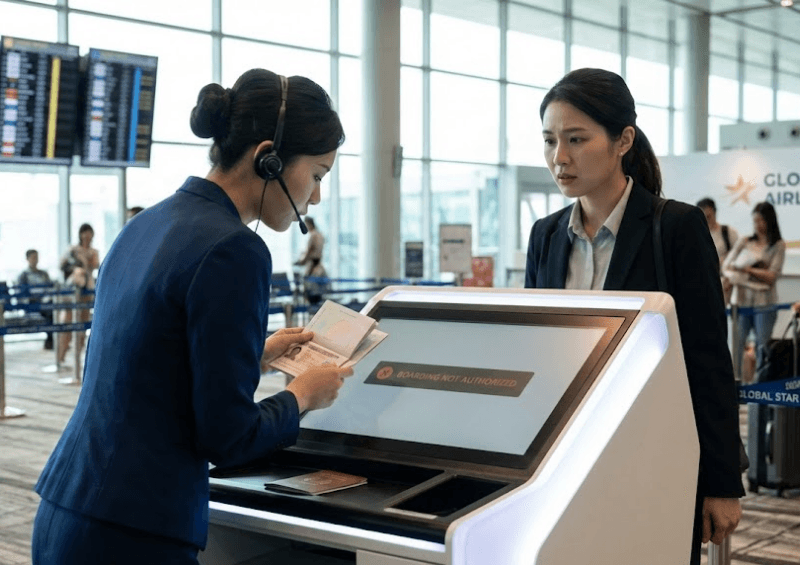
Singapore immigration 2026 update: new no-boarding policy, airline pre-clearance, rising entry rejections. Key impact on travel agents, airlines, and Southeast Asia tourism trends.

Southeast Asia is heading into a critical transition phase for cross-border travel. Singapore, alongside Malaysia and Indonesia, is preparing for stricter immigration enforcement in 2026—most notably through a no-boarding policy that shifts responsibility directly to airlines before departure.

For B2B travel agents, consolidators, corporate travel planners, and airline partners, this change will significantly alter how tickets are sold, checked, and managed.

Below is a clear, agent-focused breakdown of what’s changing, why it matters, and how travel professionals should prepare.

Singapore’s 2026 No-Boarding Policy: A Major Shift

Starting January 2026, Singapore will roll out a pre-departure immigration screening system. Under this framework, passengers deemed ineligible for entry will be denied boarding at origin airports, instead of being turned back on arrival.

This policy will be enforced in coordination with the Immigration and Checkpoints Authority (ICA) and executed by major international airlines.

Why Singapore Is Tightening Entry Controls

Between January and November 2025, Singapore rejected 41,800 foreign travellers at its borders—an unusually high figure that triggered policy reassessment.

While ICA has not disclosed nationality-wise data, officials confirmed rejections were linked to:

  • Prior visa overstays

  • Illegal employment history

  • Criminal records

  • Use of forged or misleading travel documents

  • National security or public safety concerns

The new system aims to stop such passengers before they even board flights.

Airlines Responsible for No-Boarding Enforcement

From 2026 onward, airlines flying to Singapore will be required to verify passenger eligibility before issuing boarding passes.

Key carriers involved include:

  • Singapore Airlines

  • Scoot

  • Emirates

  • Turkish Airlines

  • AirAsia

For agents, this means valid tickets will no longer guarantee boarding if immigration clearance fails.

Who Is Most at Risk Under the New Rules?

The no-boarding directive primarily targets travellers who:

  • Previously overstayed or violated visa conditions

  • Worked illegally during earlier visits

  • Were denied entry in the past

  • Used false identities or documentation

  • Are flagged under security risk databases

Passengers in these categories may be refused boarding even with confirmed PNRs.

What B2B Travel Agents Must Do in 2026

This policy increases pre-sale responsibility for travel professionals. Key action points include:

1. Strengthen Pre-Travel Screening

Verify client travel history, visa compliance, and purpose of visit before ticketing.

2. Manage Client Expectations

Clearly communicate that boarding approval is subject to airline and immigration clearance.

3. Document Everything

Ensure passports, visas, return tickets, hotel bookings, and funds proof are error-free.

4. Avoid High-Risk Last-Minute Sales

Late bookings for passengers with unclear histories carry higher denial risk.

Regional Impact: Malaysia & Indonesia in Focus

As Singapore tightens access, Malaysia and Indonesia are reviewing similar risk-based screening frameworks—though without confirmed no-boarding mandates yet.

Industry analysts expect:

  • Potential diversion of leisure traffic to Bangkok, Bali, and Kuala Lumpur

  • Increased scrutiny for transit passengers

  • More documentation requests at airline check-in counters

For agents, regional diversification may become a sales advantage.

Tourism & Airline Industry Implications

Singapore’s move prioritizes border security but may impact:

  • Transit traffic through Changi Airport

  • Short-stay leisure arrivals

  • Business travel spontaneity

In response, tourism bodies are expected to reposition Singapore as a high-trust, compliance-driven destination, rather than an easy-entry hub.

Final Takeaway for B2B Travel Professionals

Singapore’s 2026 immigration overhaul marks a fundamental shift in how international travel is managed. Airlines, agents, and corporates will all play a role in compliance—long before departure day.

Travel professionals who adapt early will protect their margins, reduce disputes, and build stronger client trust in an era of tighter borders.

Want more travel updates like this? Follow our updates at blog.agentbazar.in and transform how you support your clients at every stage of travel.

🌍 Stay Connected with the Travel Community

Follow us on Facebook, X (Twitter), Instagram, and YouTube for the latest travel updates and insights!

About the Agent Bazar Blog

The Agent Bazar Blog is your trusted source for industry news, airfare trends, visa updates, and insights tailored for B2B travel agents, consolidators, corporate travel planners, and tour operators.

Our goal is to support travel professionals with timely, actionable content that enhances business growth, improves efficiency, and keeps you informed in a fast-changing travel industry.

Explore our articles, stay ahead with vital updates, and make smarter decisions for your travel business.

About Agent Bazar

Agent Bazar is a next-generation series fare aggregator and B2B airfare marketplace in India, developed by Tripforu Holidays Pvt Ltd (est. 2016).

Backed by over 15 years of industry experience, the platform specializes in fixed departure fares across 300+ sectors in India and key Asian countries.

With a growing network of over 10,000 registered travel agents, Agent Bazar connects consolidators and sellers with agents through a zero-commission model, unlike traditional portals that charge 5–8% in fees.

The platform empowers travel agents and consolidators with direct access to reliable inventory, real-time fare discovery, and simplified group booking tools.

🌐 Visit: agentbazar.in