Nipah Virus Impact on Asia Travel: What Agents Must Know
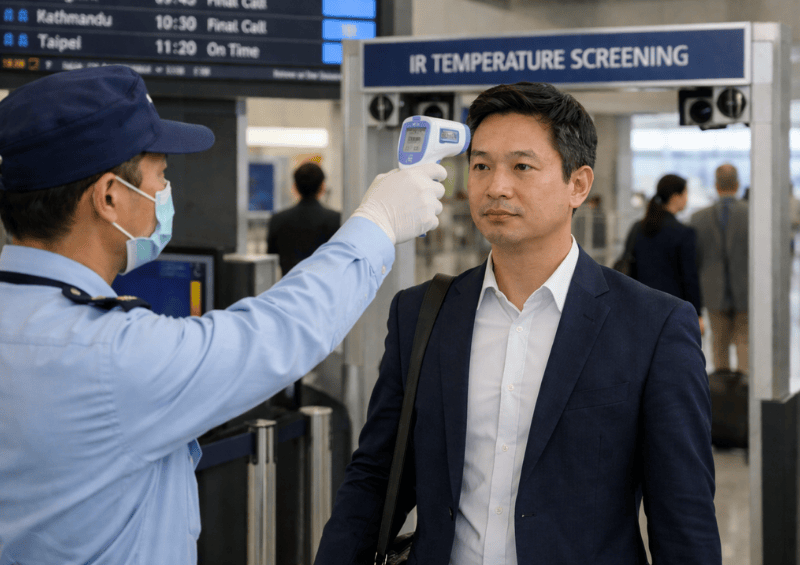
Asia’s travel industry responds to the Nipah virus outbreak in West Bengal with enhanced airport health screening and safety protocols in Thailand, Nepal, and Taiwan — essential updates for travel agents, corporate planners, and airline professionals.

Understanding the Current Nipah Virus Situation

A recent outbreak of the Nipah virus in West Bengal, India has triggered renewed public health vigilance across Asia. Several confirmed infections — including healthcare workers — have led international authorities to reinstate travel screening and airport health safety checks. What is the Nipah virus?

Nipah virus is a zoonotic pathogen carried by animals such as fruit bats and pigs, and can spread to humans through direct contact with infected animals, contaminated food, or close person-to-person contact. It is associated with severe respiratory symptoms and encephalitis, and carries high fatality rates (40–75%). There is currently no licensed vaccine or specific treatment

Regional Public Health Responses Impacting Travel

Thailand: Scaling Airport Health Screening

Thailand’s Ministry of Public Health has strengthened surveillance at major gateways, including Suvarnabhumi, Don Mueang, and Phuket airports. Travellers from high-risk regions such as West Bengal may undergo:

  • Temperature checks

  • Health declarations

  • Distribution of advisory guidance cards

  • Secondary clinical evaluation if symptoms are flagged

These protocols adapt approaches from past pandemic screening efforts to support early detection and risk mitigation.

Nepal: Focus on Entry Points and Border Surveillance

Authorities in Nepal have intensified health checks at Tribhuvan International Airport and key land border crossings with India. Health desks and screening stations are in operation to identify potential infections and connect symptomatic travellers with medical follow-up. 

Taiwan: Monitoring and Notification Plans

Taiwan is considering upgrading Nipah virus to a top-tier notifiable disease, requiring immediate reporting and enhanced control measures upon detection of cases. Current travel alerts remain under active review, and health surveillance at ports of entry is being reinforced.

What Travel & Aviation Professionals Need to Know

For travel agents, airline operations teams, and corporate planners, situational awareness and preparedness are key:

1. Operational Impact & Passenger Experience

  • Expect longer processing times at international airports due to health screenings.

  • Airlines should prepare staff for health declaration form distribution and response protocols.

  • Flight schedules might experience minor delays depending on screening volumes and compliance checks. 

2. Traveller Communication and Risk Management

  • Clearly inform clients about enhanced screening protocols, expected questions, and temperature checks before departure.

  • Advise travellers to disclose recent visits to affected regions upfront to avoid confusion.

  • Emphasize health best practices (hand hygiene, monitoring for symptoms post-travel). 

3. Coordination With Health Authorities

  • Stay in touch with official health advisories from ministries and international organizations, as guidance may evolve rapidly.

  • Airlines and travel planners should monitor updates from government health departments to adapt policies and client notifications. 

Best Practices for Travel Safety

To support seamless travel and minimize health risks:

  • Share pre-travel health advisories with clients, especially those flying into or out of affected regions.

  • Encourage travellers to carry personal health documentation and complete health questionnaires accurately.

  • Monitor symptoms such as fever, headache, or respiratory signs during and after travel, and guide clients on when to seek medical evaluation.

Final Takeaways for the Travel Sector

The Nipah virus remains rare but serious, and its recent confirmation in West Bengal has led neighbouring Asian countries to introduce targeted health measures at airports and border crossings. Enhanced screening — though not a travel ban — reflects responsible public health practice and underscores the importance of preparedness in the travel and aviation industry. Agents and planners who proactively inform clients and coordinate with health updates can help ensure safe and confident travel experiences in 2026 and beyond.

Want more travel updates like this? Follow our updates at blog.agentbazar.in and transform how you support your clients at every stage of travel.


🌍 Stay Connected with the Travel Community

Follow us on Facebook, X (Twitter), Instagram, and YouTube for the latest travel updates and insights!

About the Agent Bazar Blog

The Agent Bazar Blog is your trusted source for industry news, airfare trends, visa updates, and insights tailored for B2B travel agents, consolidators, corporate travel planners, and tour operators.

Our goal is to support travel professionals with timely, actionable content that enhances business growth, improves efficiency, and keeps you informed in a fast-changing travel industry.

Explore our articles, stay ahead with vital updates, and make smarter decisions for your travel business.

About Agent Bazar

Agent Bazar is a next-generation series fare aggregator and B2B airfare marketplace in India, developed by Tripforu Holidays Pvt Ltd (est. 2016).

Backed by over 15 years of industry experience, the platform specializes in fixed departure fares across 300+ sectors in India and key Asian countries.

With a growing network of over 10,000 registered travel agents, Agent Bazar connects consolidators and sellers with agents through a zero-commission model, unlike traditional portals that charge 5–8% in fees.

The platform empowers travel agents and consolidators with direct access to reliable inventory, real-time fare discovery, and simplified group booking tools.

🌐 Visit: agentbazar.in