Jet Fuel Prices Surge: Airfares Rise in 2026
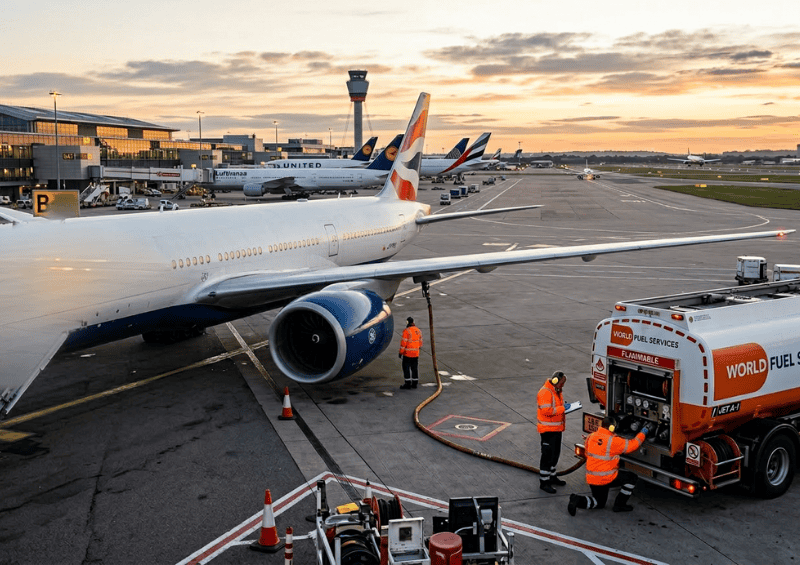
Jet fuel prices are rising sharply in 2026, pushing airlines to increase airfares, revise flight schedules, and adjust global routes. Travel agents, airlines, and corporate travel planners must prepare for higher ticket costs and operational disruptions.

Introduction: A New Cost Shock for the Aviation Industry

The global aviation sector is once again facing a major operational challenge. Jet fuel prices have surged sharply in early 2026, driven by geopolitical tensions, volatile energy markets, and disruptions in critical airspace corridors.

For airlines, fuel typically represents 25–35% of total operating expenses, making it one of the most sensitive cost factors in aviation. As fuel costs spike, airlines worldwide are adjusting pricing models, altering routes, and revising schedules.

For travel agents, consolidators, and corporate travel managers, the impact is already becoming visible through rising ticket prices, route changes, and evolving airline strategies.

A Rapid Surge in Jet Fuel Prices

In recent weeks, jet fuel prices have climbed to levels not seen in several years. The surge has been fueled by multiple factors:

  • Escalating geopolitical tensions in key oil-producing regions

  • Volatility in global crude oil markets

  • Disruptions to major aviation corridors

  • Increased insurance and operational costs for airlines flying through sensitive airspace

Industry analysts note that even a small increase in fuel prices can significantly impact airline profitability, especially for carriers operating long-haul networks.

Airlines without strong fuel hedging strategies are particularly exposed to these rapid cost increases.

Airlines Under Pressure: Rising Costs and Operational Adjustments

The rise in fuel prices is forcing airlines to rethink operational efficiency and pricing structures.

Key airline responses include:

1. Increased Airfares and Fuel Surcharges

Many airlines have begun passing part of the cost to passengers through higher base fares and additional fuel surcharges.

2. Route Optimization

Carriers are reviewing route networks to ensure aircraft operate on the most fuel-efficient paths possible.

3. Adjusted Flight Schedules

Some airlines are reducing frequency on less profitable routes while prioritizing high-demand corridors.

4. Longer Flight Paths

Airspace restrictions in certain regions are forcing aircraft to take longer detours, increasing fuel consumption and flight duration.

These adjustments may lead to longer travel times, schedule changes, and occasional cancellations, particularly on international routes.

Impact on Global Travelers and Booking Patterns

For travelers, the effects are becoming increasingly noticeable.

Higher jet fuel prices are translating into:

  • Increased ticket prices across both domestic and international routes

  • Fuel surcharges added to airline tickets

  • Reduced promotional fares

  • More dynamic and unpredictable pricing

Budget airlines are also feeling the impact, and the gap between low-cost and full-service carrier fares may narrow as operational costs rise.

Travel experts expect advance booking windows to increase, as travelers try to secure lower fares before prices climb further.

Changing Travel Behavior: Shift Toward Alternative Transport

As airfares rise, travelers are beginning to reconsider travel options.

In several regions, especially Europe and parts of Asia, rail networks are seeing renewed interest as travelers seek more economical transportation alternatives.

Key shifts being observed include:

  • Increased demand for short-haul train travel

  • Growth in regional tourism rather than long-haul trips

  • Greater focus on domestic travel markets

For travel planners and agencies, this may require rebalancing product offerings and promoting multi-modal travel solutions.

Strategic Implications for Travel Agents and B2B Sellers

For B2B travel professionals, the jet fuel price surge creates both challenges and opportunities.

Key considerations include:

Proactive client communication

Travel agents should keep corporate clients informed about potential airfare increases and route disruptions.

Early booking strategies

Encouraging advance ticket purchases can help clients secure more favorable fares.

Diversified travel options

Agents may need to offer alternative routes, nearby airports, or multi-modal itineraries.

Monitoring airline policy updates

Frequent schedule adjustments mean agents must stay updated on airline advisories and operational changes.

For consolidators and travel platforms, pricing transparency and real-time fare monitoring will become increasingly important.

Long-Term Industry Response: Technology and Sustainable Fuels

Airlines are actively exploring long-term solutions to reduce fuel dependency and manage cost volatility.

Several industry initiatives are already underway:

  • Deployment of fuel-efficient aircraft such as Airbus A321neo and Boeing 787 Dreamliner

  • Investment in Sustainable Aviation Fuel (SAF)

  • Enhanced flight planning and fuel optimization technologies

  • Improved aircraft maintenance for better fuel efficiency

However, large-scale adoption of alternative fuels will take time, and traditional jet fuel will remain the primary aviation energy source for the foreseeable future.

The Road Ahead for Global Aviation

The spike in jet fuel prices highlights how closely the aviation sector is tied to global geopolitical and energy market dynamics.

In 2026, the industry may face:

  • Continued airfare volatility

  • Adjustments in airline route networks

  • Changes in travel demand patterns

  • Increased operational planning for airlines and travel intermediaries

For travel professionals, adaptability and proactive planning will be essential to navigate this evolving landscape.

Conclusion: What This Means for Travel Professionals

The sharp rise in jet fuel prices is more than just a cost issue—it is reshaping airline strategies, ticket pricing, and global travel behavior.

Travel agents, corporate planners, and aviation professionals must remain agile, monitor market developments closely, and guide travelers through changing fare structures and route adjustments.

Those who stay informed and adapt quickly will be better positioned to support clients and manage travel planning effectively in a more volatile aviation environment.


Want more travel updates like this? Follow our updates at blog.agentbazar.in and transform how you support your clients at every stage of travel.

🌍 Stay Connected with the Travel Community

Follow us on Facebook, X (Twitter), Instagram, and YouTube for the latest travel updates and insights!

About the Agent Bazar Blog

The Agent Bazar Blog is your trusted source for industry news, airfare trends, visa updates, and insights tailored for B2B travel agents, consolidators, corporate travel planners, and tour operators.

Our goal is to support travel professionals with timely, actionable content that enhances business growth, improves efficiency, and keeps you informed in a fast-changing travel industry.

Explore our articles, stay ahead with vital updates, and make smarter decisions for your travel business.

About Agent Bazar

Agent Bazar is a next-generation series fare aggregator and B2B airfare marketplace in India, developed by Tripforu Holidays Pvt Ltd (est. 2016).

Backed by over 15 years of industry experience, the platform specializes in fixed departure fares across 300+ sectors in India and key Asian countries.

With a growing network of over 10,000 registered travel agents, Agent Bazar connects consolidators and sellers with agents through a zero-commission model, unlike traditional portals that charge 5–8% in fees.

The platform empowers travel agents and consolidators with direct access to reliable inventory, real-time fare discovery, and simplified group booking tools.

🌐 Visit: agentbazar.in