India Stops Accepting PIO Cards for Travel to India
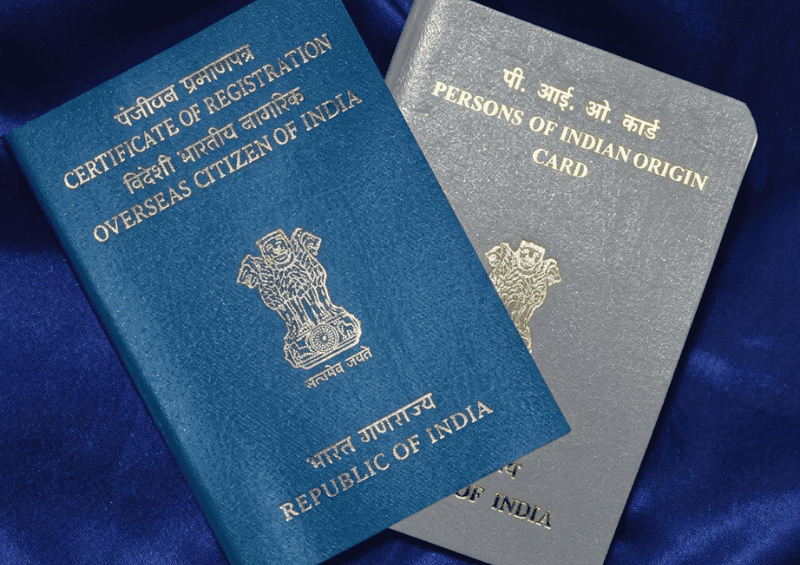
India has officially ended the use of PIO cards for travel. From 2026 onward, travellers of Indian origin must carry an OCI card or a valid Indian visa. Airlines may deny boarding if passengers attempt to travel using PIO cards.

India Ends PIO Card Validity for Travel

Travellers of Indian origin planning to visit India must now comply with a significant documentation change. India has officially stopped accepting Person of Indian Origin (PIO) cards as valid travel documents.

From now on, airlines may deny boarding to passengers attempting to travel with a PIO card, even when accompanied by a valid foreign passport.

Individuals who still possess a PIO card must convert it to an Overseas Citizen of India (OCI) card or obtain a valid Indian visa before travelling.

For travel agents, consolidators, and airline ticketing professionals, this change is important because incorrect documentation could lead to boarding refusals, customer complaints, and last-minute booking disruptions.

What Has Changed for PIO Cardholders?

For many years, the PIO card allowed foreign citizens of Indian origin to travel to India without applying for a visa. This made it a popular document among members of the Indian diaspora.

However, the Government of India had already begun transitioning away from the PIO scheme several years ago.

Key Changes Now in Effect

  • PIO cards are no longer valid travel documents

  • Airlines may refuse boarding if a passenger presents only a PIO card

  • Travellers must carry either:

    • An OCI card, or

    • A valid Indian visa

This update applies to travellers worldwide, including those departing from major diaspora hubs such as the United States, Canada, the United Kingdom, Australia, and the Middle East.

For B2B travel agents, it is essential to verify travel documentation before ticket issuance to avoid denied boarding situations.

Deadline for Converting PIO Cards Has Expired

India had provided several years of transition time to help travellers shift from the PIO scheme to the OCI programme.

The final deadline for converting handwritten PIO cards to OCI cards was December 31, 2025.

Until that date, travellers were allowed to enter India with a valid foreign passport and PIO card.

That grace period has now officially ended. As of 2026, OCI has fully replaced the PIO system for travel eligibility.

Why India Replaced the PIO System

The transition is part of a broader policy decision initiated in 2015, when the Indian government merged the PIO and OCI schemes into a single OCI framework.

The goal was to simplify immigration procedures and provide more consistent long-term privileges to people of Indian origin living overseas.

Key benefits of the OCI program include:

  • Lifelong visa-free entry to India

  • Multiple-entry travel privileges

  • Long-term stay without repeated visa renewals

  • Simplified documentation compared to traditional visa processes

The consolidation also helps immigration authorities manage a unified system for overseas Indian travellers.

What Travellers Should Do Now

Travel professionals should advise clients holding PIO cards to take one of the following steps before booking flights.

1. Convert the PIO Card to an OCI Card

For most travellers, converting to an OCI card is the preferred option.

Benefits include:

  • Lifetime visa-free travel to India

  • Multiple entry permissions

  • No need to apply for visas repeatedly

  • Long-term stay privileges in India

The OCI application can be completed through official Indian government portals and Indian consulates abroad.

2. Apply for an Indian Visa

Travellers who have not yet converted their PIO card can apply for a standard Indian visa.

This can be done through:

  • Indian embassies or consulates

  • The Indian e-Visa platform (for eligible nationalities)

However, visas require reapplication for each trip, making them less convenient for frequent travellers.

Important Advisory for Travel Agents and Airlines

Airlines strictly follow immigration documentation rules. If passengers arrive at the airport with invalid travel documents, boarding can be denied at check-in.

B2B travel agencies should therefore:

  • Confirm whether travellers previously held PIO cards

  • Verify that they now possess either:

    • OCI cards, or

    • Valid Indian visas

  • Inform clients of the rule change before ticket issuance

This proactive communication helps prevent airport disruptions and operational issues.

Understanding the PIO Card System

The Person of Indian Origin (PIO) card was introduced in 1999 to facilitate travel for members of the Indian diaspora.

It allowed foreign nationals with Indian ancestry to:

  • Visit India without a visa

  • Stay for extended periods

  • Maintain closer ties with India

The programme was widely used by diaspora communities across North America, Europe, Australia, and Asia.

In 2015, the Indian government integrated the PIO scheme into the OCI program, offering broader benefits under a single system. With the 2025 transition deadline now expired, the PIO card has officially become obsolete for travel purposes.

Operational Impact for the Travel Industry

For B2B travel companies and airline ticketing professionals, this policy change highlights the importance of document verification during booking and pre-departure checks.

Failure to identify outdated travel documents can lead to:

  • Denied boarding cases

  • Emergency visa applications

  • Customer dissatisfaction

  • Airline liability issues

Travel agents should update internal SOPs and client advisories to ensure all travellers of Indian origin carry OCI cards or valid visas before travelling to India.

Conclusion

India’s decision to stop accepting PIO cards marks the final step in the country’s transition toward a single OCI-based system for overseas Indians.

For travel agents, consolidators, and airline professionals, awareness of this change is critical. Ensuring travellers carry valid OCI cards or visas before departure will help prevent operational disruptions and protect customer experience.

Want more travel updates like this? Follow our updates at blog.agentbazar.in and transform how you support your clients at every stage of travel.

🌍 Stay Connected with the Travel Community

Follow us on Facebook, X (Twitter), Instagram, and YouTube for the latest travel updates and insights!

About the Agent Bazar Blog

The Agent Bazar Blog is your trusted source for industry news, airfare trends, visa updates, and insights tailored for B2B travel agents, consolidators, corporate travel planners, and tour operators.

Our goal is to support travel professionals with timely, actionable content that enhances business growth, improves efficiency, and keeps you informed in a fast-changing travel industry.

Explore our articles, stay ahead with vital updates, and make smarter decisions for your travel business.

About Agent Bazar

Agent Bazar is a next-generation series fare aggregator and B2B airfare marketplace in India, developed by Tripforu Holidays Pvt Ltd (est. 2016).

Backed by over 15 years of industry experience, the platform specializes in fixed departure fares across 300+ sectors in India and key Asian countries.

With a growing network of over 10,000 registered travel agents, Agent Bazar connects consolidators and sellers with agents through a zero-commission model, unlike traditional portals that charge 5–8% in fees.

The platform empowers travel agents and consolidators with direct access to reliable inventory, real-time fare discovery, and simplified group booking tools.

🌐 Visit: agentbazar.in