Air India Route Changes: 787 Shift Amid Airspace Crisis
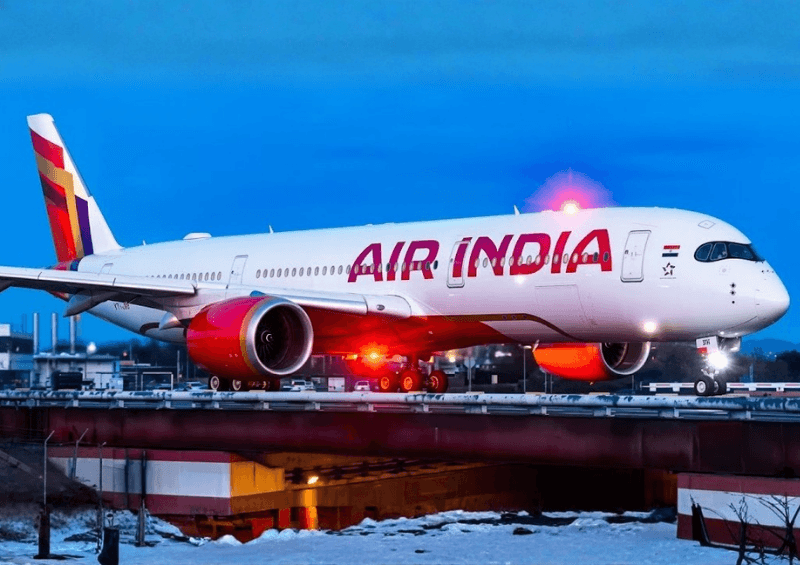
Air India adapts to Pakistan and Iran airspace restrictions by shifting 777 pilots to 787 and A350 aircraft, optimizing long-haul routes, reducing fatigue, and managing rising fuel and operational costs.

Overview: Airspace Restrictions Reshape Airline Strategy

Air India is actively restructuring its long-haul operations in response to ongoing airspace restrictions across Pakistan, Iran, and parts of the Middle East. These geopolitical disruptions are forcing westbound flights from Delhi and other Indian hubs to take longer alternate routes.

For B2B travel professionals, this shift directly impacts flight durations, pricing strategies, and operational planning.

Why Routes Are Getting Longer

Airspace closures have significantly altered traditional flight paths:

  • Pakistan airspace closure → forces rerouting over Arabian Sea

  • Iran-related restrictions → additional detours

  • Middle East conflict zones → expanded no-fly corridors

Operational Impact:

  • Flight time increases by 1.5 to 3+ hours

  • Higher fuel consumption

  • Increased crew duty hours

  • Reduced aircraft utilization efficiency

These changes are not temporary—they are shaping long-term airline network planning.

Pilot Strategy: Shift from Boeing 777 to 787

To manage operational pressure, Air India is reallocating pilots across fleets.

Key Changes:

  • ~28–30 Boeing 777 pilots being converted to Boeing 787

  • Additional narrow-body pilots transitioning to 787 and A350 fleets

  • Focus on long-haul efficiency and crew optimization

Strategic Objective:

  • Reduce pilot fatigue on extended routes

  • Improve scheduling flexibility

  • Align crew with modern aircraft capabilities

Pilot Fatigue & Regulatory Flexibility

Extended routes have pushed Flight Duty Time Limitations (FDTL) to their limits.

Current Scenario:

  • DGCA allowing temporary extensions in pilot duty hours

  • Pilot unions raising concerns over long-term sustainability

What B2B Agents Should Know:

  • Increased fatigue risk → potential schedule disruptions

  • Crew limitations → reduced frequency flexibility

  • Operational buffers may increase → delays possible

Fleet Transformation: 787 & A350 Take Center Stage

Air India is accelerating its fleet modernization strategy.

Fleet Shift:

Aircraft Type

Role

Boeing 777

Gradually reduced / retrofit phase

Boeing 787

Core long-haul operations

Airbus A350

Premium ultra-long-haul routes

Advantages of New Aircraft:

  • Better fuel efficiency

  • Longer range capability

  • Lower operating cost per seat

  • Improved passenger experience

For travel planners, this means more stable operations on long-haul sectors over time.

Cost Implications for Travel Trade

Airspace restrictions are increasing airline costs, which directly affects pricing.

Key Cost Drivers:

  • Fuel burn increase

  • Longer crew duty hours

  • Reduced aircraft rotation efficiency

B2B Impact:

  • Higher fares on Europe & UK sectors

  • Reduced promotional inventory

  • Increased importance of group fare planning

Long-Term Outlook for Air India

These disruptions are unlikely to resolve quickly. Air India is preparing for a new operational normal.

What to Expect:

  • Continued reliance on alternate routes

  • Faster adoption of fuel-efficient aircraft

  • Strategic pilot training & redeployment

  • Focus on maintaining international connectivity

Key Takeaways for B2B Travel Professionals

  • Expect longer flight durations on westbound routes

  • Monitor fare fluctuations due to fuel and operational costs

  • Prioritize airlines deploying 787 and A350 aircraft

  • Factor in potential delays and schedule changes

  • Plan group and corporate travel with buffer time

Conclusion

Air India’s response to airspace restrictions highlights how airlines are adapting to geopolitical challenges through fleet modernization and workforce restructuring.

For B2B travel agents and consolidators, this is a critical phase to adjust pricing strategies, manage client expectations, and optimize route planning. The shift toward next-generation aircraft signals a more efficient future—but short-term disruptions will remain a key operational factor.

Want more travel updates like this? Follow our updates at blog.agentbazar.in and transform how you support your clients at every stage of travel.


🌍 Stay Connected with the Travel Community

Follow us on Facebook, X (Twitter), Instagram, and YouTube for the latest travel updates and insights!

About the Agent Bazar Blog

The Agent Bazar Blog is your trusted source for industry news, airfare trends, visa updates, and insights tailored for B2B travel agents, consolidators, corporate travel planners, and tour operators.

Our goal is to support travel professionals with timely, actionable content that enhances business growth, improves efficiency, and keeps you informed in a fast-changing travel industry.

Explore our articles, stay ahead with vital updates, and make smarter decisions for your travel business.

About Agent Bazar

Agent Bazar is a next-generation series fare aggregator and B2B airfare marketplace in India, developed by Tripforu Holidays Pvt Ltd (est. 2016).

Backed by over 15 years of industry experience, the platform specializes in fixed departure fares across 300+ sectors in India and key Asian countries.

With a growing network of over 10,000 registered travel agents, Agent Bazar connects consolidators and sellers with agents through a zero-commission model, unlike traditional portals that charge 5–8% in fees.

The platform empowers travel agents and consolidators with direct access to reliable inventory, real-time fare discovery, and simplified group booking tools.

🌐 Visit: agentbazar.in